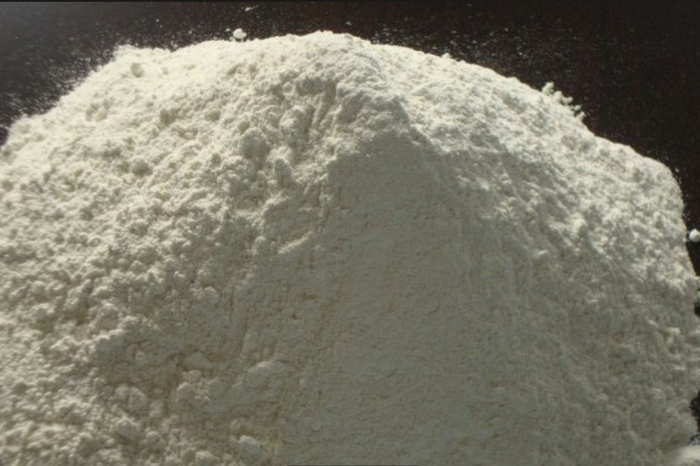
Sodium‑Route Iron Phosphate Production Process: A Brief OverviewIssuing time:2026-08-07 15:38 Iron phosphate (FePO₄) is a key precursor for lithium iron phosphate (LiFePO₄), the cathode material used in lithium‑ion batteries. With the rapid growth of the new‑energy vehicle and energy‑storage markets, demand for iron phosphate has been rising steadily. At present, there are three main industrial routes for producing iron phosphate: the ammonium route, the sodium route, and the iron route. Among these, the sodium route accounts for the largest production capacity and is the most widely applied process. What is the sodium‑route iron phosphate process? The sodium route falls under the “ferrous‑based” pathway – that is, it uses ferrous sulfate as the iron source and phosphoric acid as the phosphorus source. The basic idea is straightforward: first, acidify ferrous sulfate with phosphoric acid, then add an oxidant to convert ferrous iron (Fe²⁺) to ferric iron (Fe³⁺), and finally adjust the pH with sodium hydroxide to precipitate iron phosphate from the solution. Core chemical reactions The sodium‑route process mainly involves two steps: Step 1: Oxidation – Ferrous sulfate (FeSO₄) reacts with hydrogen peroxide (H₂O₂) in a phosphoric acid medium, oxidising Fe²⁺ to Fe³⁺ and forming ferric dihydrogen phosphate. Step 2: Precipitation – Sodium hydroxide (NaOH) is added to adjust the pH of the solution, allowing phosphate ions to combine with Fe³⁺ to precipitate iron phosphate, while sodium sulfate (Na₂SO₄) is produced as a by‑product. The overall reaction can be simplified as: Ferrous sulfate + Phosphoric acid + Hydrogen peroxide + Sodium hydroxide → Iron phosphate (precipitate) + Sodium sulfate + Water Main production steps The sodium‑route production of iron phosphate generally includes the following stages:
Characteristics of the sodium‑route process The main advantages of the sodium route are: it exhibits the best thermodynamic spontaneity and reaction rate among the three mainstream processes; the iron phosphate produced in the sodium‑salt system has a relatively high tap density (about 2.6 g/cm³), which is favourable for preparing high‑tap‑density lithium iron phosphate cathode materials; and the process is well suited for integration with purified phosphoric acid, making it convenient for phosphorus‑chemical enterprises to extend their value chains. However, the sodium route also faces several challenges: it consumes a relatively large amount of phosphoric acid, placing its overall production cost at a higher level compared with the other routes; strict control over the sodium‑ion content in the final product is required; and the treatment and utilisation of the by‑product sodium sulfate pose environmental issues that need to be addressed. In recent years, under cost pressure and intensified market competition, the share of sodium‑route capacity has declined somewhat, and some producers have switched from the sodium route to the ammonium or iron routes. The sodium‑route iron phosphate process uses ferrous sulfate, phosphoric acid, hydrogen peroxide, and sodium hydroxide as raw materials, and produces iron phosphate through oxidation, precipitation, washing, calcination, and other steps. It is one of the most mature and widely adopted industrial routes, offering advantages in product tap density while facing challenges in cost control and by‑product management.
|